Surety Bond What Is It? Simple USA Definition, Types & Cost
Admin
Senior Education Reporter

Surety bond what is it in the USA? Plain-English definition, three parties, surety bond vs insurance, common types, typical cost (0.5%–10%), and how to get bonded.
Surety bond what is it, really? In the United States, a surety bond is a written three-party guarantee: you (the principal) promise to follow a law, license rule, contract, or court order; a surety company backs that promise; and an obligee (agency, project owner, or court) is protected if you fail.
Quick answer: A surety bond is not insurance for you. It protects the party that required the bond. If a valid claim is paid, you typically repay the surety. Premiums commonly run about 0.5%–10% of the bond amount, based on credit, bond type, and risk.
Educational overview for U.S. readers. Bond forms and filing rules vary by state and obligee—confirm details with a licensed surety producer.
What is a surety bond in simple terms?
Think of it as a “promise with backup.” The obligee does not have to take your word alone. A licensed surety reviews your credit and risk, issues the bond, and stands behind your obligation up to the bond’s penal sum (the dollar amount printed on the form).
People search “surety bond what is” because the name sounds like insurance—and the difference matters on claims. Insurance usually absorbs covered losses. A bond is closer to credit: the surety may pay first, then collect from you under an indemnity agreement.
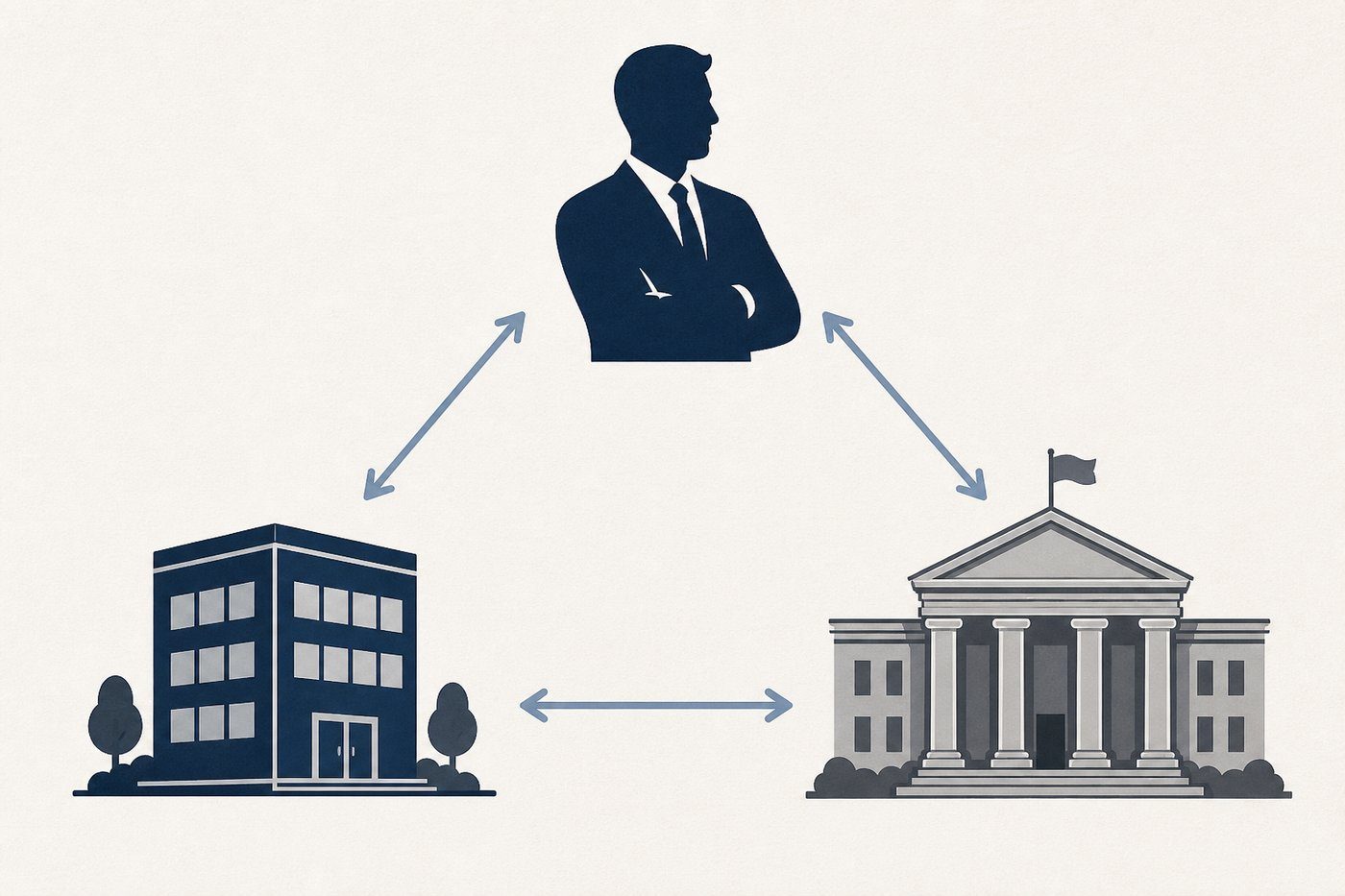
The three parties (and why they matter)
- Principal — the person or business that must be bonded (contractor, broker, dealer, fiduciary, etc.).
- Obligee — who requires the bond (state board, city, GC/owner, FMCSA, court).
- Surety — the company that issues the bond and guarantees the obligation.
If you never default, nobody files a claim and the bond simply stays active while your license or job requires it. If you do default and the claim is valid, the surety’s payment protects the obligee—not your balance sheet.
Surety bond vs insurance (USA)
- Insurance protects you against covered risks (liability, property, workers comp).
- Surety bond protects the obligee if you break a bonded promise.
- “Bonded and insured” usually means both: a bond for compliance/contract risk and insurance for your own losses.

Common types when people ask “what is a surety bond?”
- License and permit bonds — required for many state/local licenses (contractors, auto dealers, collection agencies).
- Bid, performance, and payment bonds — construction and public works; protect owners and unpaid subs/suppliers.
- Commercial bonds — customs, tax, warehouse, and industry compliance bonds.
- Court / fiduciary bonds — probate, guardianship, appeal, and related court duties.
- Federal specialty bonds — e.g., freight broker bonding often discussed with BMC-84 filings.

How much does a surety bond cost?
You pay a premium (fee), not the full bond amount. The bond amount is the maximum guarantee; the premium is what you pay to obtain it.
- Stronger credit / lower risk: often about 0.5%–3%
- Average or harder credit / higher risk: often about 3%–10%+ (sometimes more)
- Small notary or flat-fee bonds: sometimes a set dollar price
Example: A $50,000 license bond at 2% usually costs about $1,000 for the term—not fifty thousand up front. Exact quotes depend on underwriting.
How to get bonded in the USA
- Read the obligee’s exact bond name, amount, and form number.
- Apply through a surety or bond producer (credit and business basics are normal).
- Pay the premium and receive the executed bond.
- File or deliver it where required (board, owner, clerk).
- Renew if your license, contract, or court order still needs it.
FAQ — surety bond what is / how it works
What is a surety bond?
A three-party financial guarantee that you will meet a legal or contract duty. The surety backs you; the obligee is protected.
Who buys the bond?
The principal pays the premium.
Does a claim wipe out my debt?
Usually no. After a paid claim, the surety can seek reimbursement from you.
Can I get a surety bond with bad credit?
Often yes for many license bonds, with higher rates, extra docs, or collateral on larger amounts.
How fast can I get one?
Many small license bonds issue same day. Larger performance bonds can take longer underwriting.
Bottom line
When someone asks surety bond what is, the practical answer is: a third-party guarantee required by U.S. agencies, owners, and courts—not a personal insurance policy. Match the exact form, compare premiums, and treat the bond like credit you must keep clean.








Comments
0 comments on this post.