Owned Auto Insurance Explained: Business Auto Coverage (USA)
Admin
Senior Education Reporter
Owned auto insurance explained (USA): commercial Symbol 2 owned autos vs hired and non-owned coverage, who needs it, and how to compare business auto quotes.
Owned auto insurance usually means coverage for vehicles your business (or you) actually own—most often on a commercial Business Auto Policy (BAP). On ISO-style forms, “owned autos” is a covered-auto designation (commonly Symbol 2), separate from hired autos and non-owned autos. Getting that symbol wrong is a frequent claim gap for small businesses.
Quick answer: Owned auto insurance protects liability (and often physical damage) on vehicles titled to the named insured. It does not automatically cover employee personal cars used for work (non-owned) or rentals (hired). Many businesses need owned + hired + non-owned symbols together—or broader Symbol 1 (“any auto”) when the insurer will write it.
Educational overview for U.S. readers. Policy wording varies by carrier; confirm symbols on your declarations with a licensed agent.
What is owned auto insurance?
In commercial auto, coverage applies only to the vehicle classes shown by number symbols next to each coverage on the declarations. Owned autos only (Symbol 2) generally means autos you own, including those you acquire after the policy begins (subject to form conditions), plus—for liability—certain trailers attached to owned power units.
Related owned-auto symbols you may see:
- Symbol 3 — owned private passenger autos only
- Symbol 4 — owned autos other than private passenger
- Symbol 7 — specifically described (scheduled) autos only
Owned vs hired vs non-owned
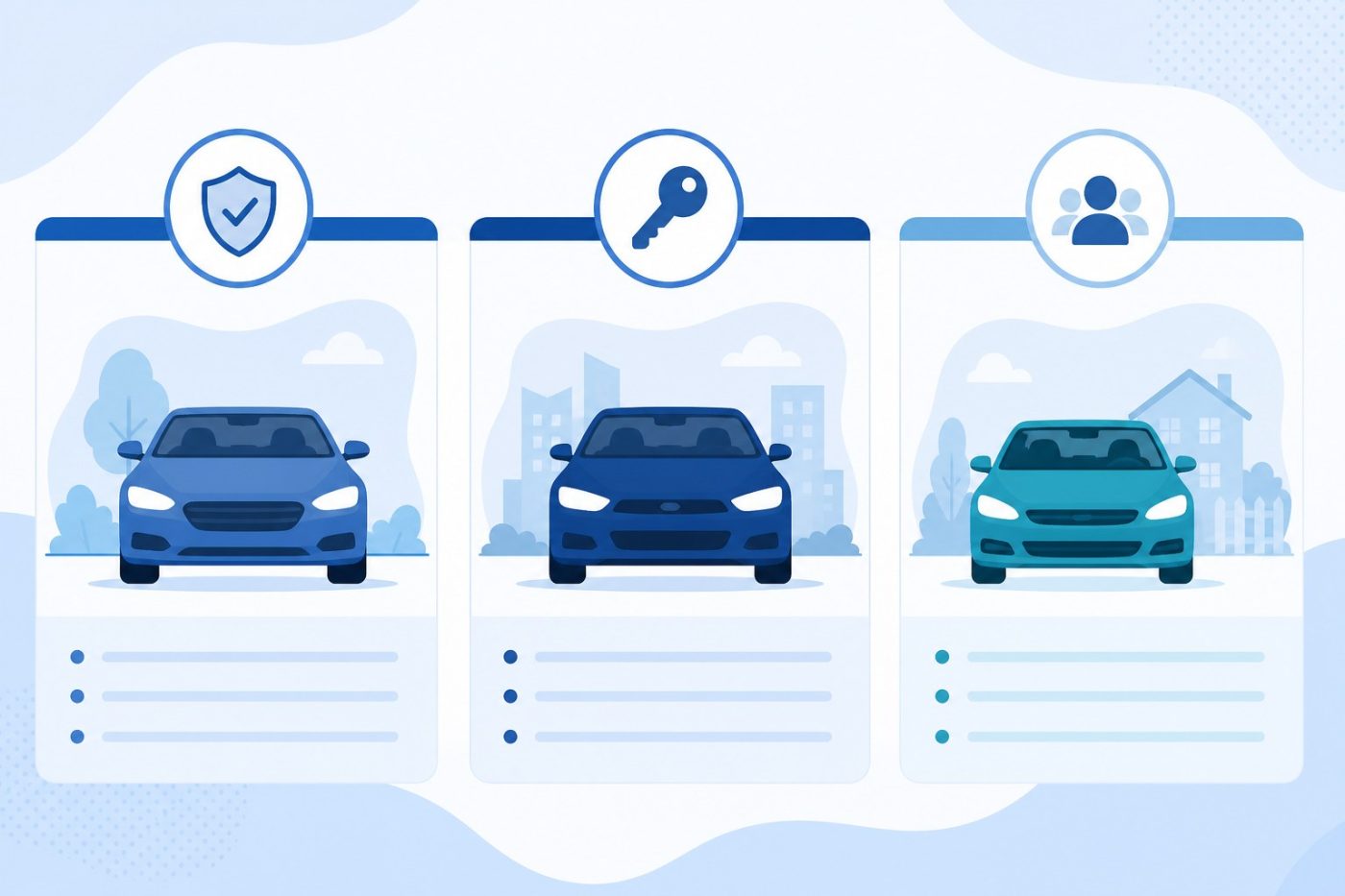
- Owned (Symbol 2/3/4/7): company cars, trucks, vans you own
- Hired (Symbol 8): vehicles you lease, hire, rent, or borrow (usually not from employees)
- Non-owned (Symbol 9): vehicles you do not own or hire—often employees’ personal cars used for business
Hired + non-owned together is often called HNOA. Owned auto insurance alone will not fix HNOA exposures.
Who needs owned auto insurance?
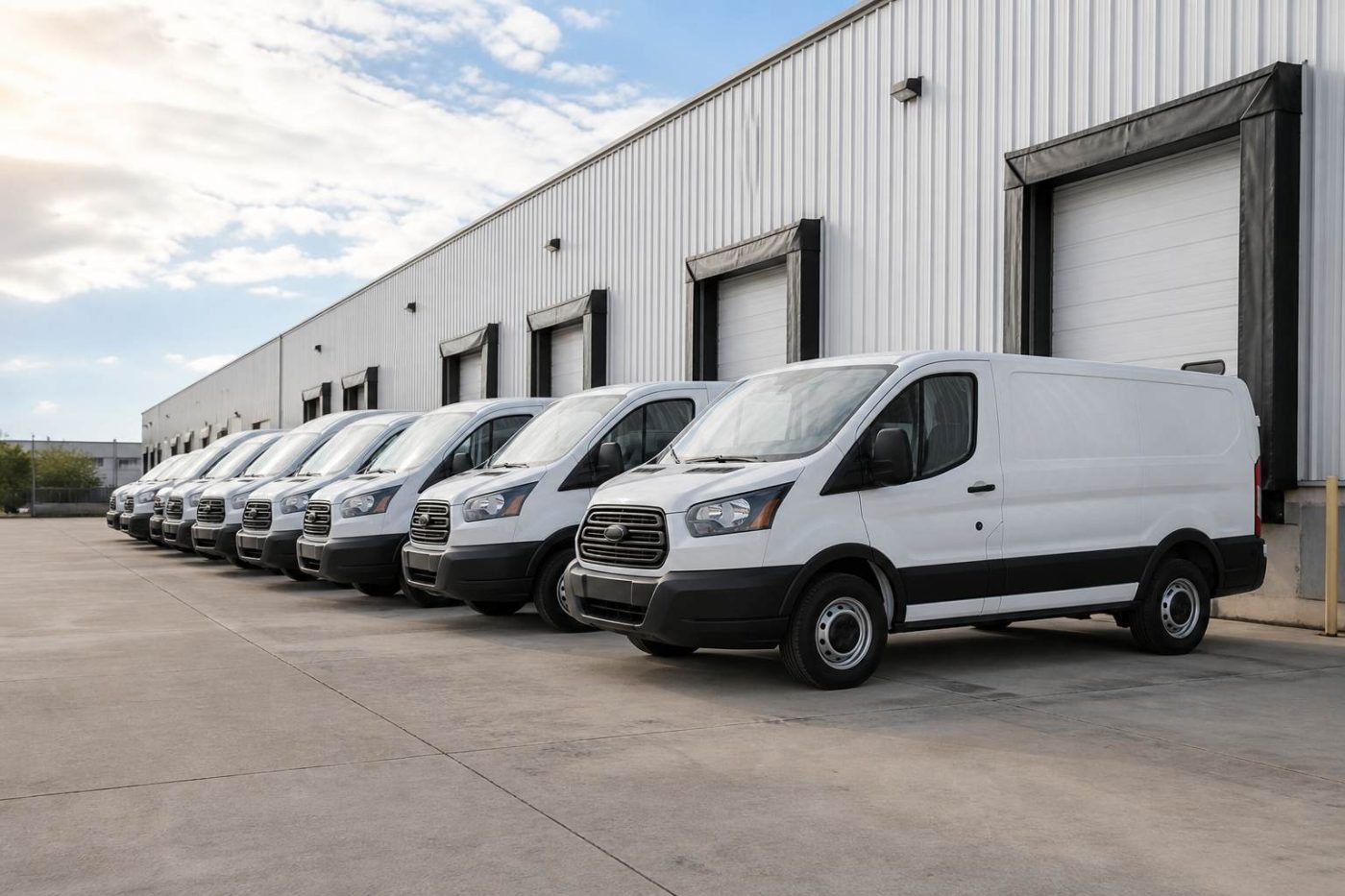
- Companies with titled fleet vehicles
- Contractors, delivery, service, and sales teams driving company trucks or cars
- Any business that bought or financed vehicles in the company name
If you own no vehicles but employees drive personal cars for errands, you may need non-owned (and possibly hired) liability—not “owned auto” as the main symbol.
Coverages typically tied to owned autos
- Liability — bodily injury and property damage you cause
- Collision / comprehensive (physical damage) — damage to your owned vehicles (if purchased)
- Uninsured/underinsured motorist, medical payments / PIP where required or elected
- Newly acquired autos — automatic coverage windows depend on the symbol and form
Personal “owned auto” vs commercial
Consumers also search owned auto insurance when comparing insurance for a car they own versus a lease. Personal auto policies still need liability (and usually collision/comprehensive) on the vehicle you own. Commercial owned-auto symbols are a different system used on business policies—do not assume a personal policy covers company-owned vehicles.
How to buy and compare

- List every vehicle you own and how it is used (local service, long-haul, personal errands).
- Ask which symbols apply to liability and to physical damage separately—they can differ.
- If employees use personal cars, add non-owned; if you rent vehicles, add hired.
- Match limits to contracts (many require $1M combined single limit).
- Review driver list, MVRs, and radius of operation—these drive price as much as the vehicle.
FAQ
What does owned auto insurance mean?
Coverage for vehicles you own, usually designated by owned-auto symbols on a business auto policy.
Is owned auto the same as hired and non-owned?
No. Owned covers your titled vehicles; hired covers rentals/leases you hire; non-owned covers others’ cars used in your business.
What is Symbol 2 on a business auto policy?
Typically “owned autos only,” including certain newly acquired owned autos under the form’s rules.
Do I need owned auto insurance if I only rent vans?
You may need hired auto (and possibly non-owned), not owned—unless you also own vehicles.
Can Symbol 2 + 8 + 9 replace Symbol 1?
They cover a lot of ground, but they are not always identical to “any auto.” Ask your agent about gaps for your operations.
Bottom line
Owned auto insurance is the backbone for company-owned vehicles—but it is only one piece of commercial auto. Read the symbols on your declarations, add hired/non-owned where needed, and verify newly acquired auto rules before the next vehicle purchase.






Comments
0 comments on this post.