Korea Lottery 2026: BOESL EPS Registration, Result, Eligibility and Fees
Admin
Senior Education Reporter

Everything about the Korea lottery 2026 for Bangladeshis: BOESL EPS registration on eps.boesl.gov.bd, age limit, fees, how to check the lottery result PDF, EPS-TOPIK and what happens next.
Every year, lakhs of young people in Bangladesh search for the Korea lottery. They have heard a cousin or a neighbour is earning well in a Korean factory, and they want the same chance. The good news: there is a legal, low-cost route to work in South Korea, and the "lottery" is part of it. The bad news: the topic is full of rumours, fake Facebook pages and brokers who charge lakhs of taka for something BOESL does for a small fee.
This guide explains what the Korea lottery 2026 really is, who can apply, how registration works on eps.boesl.gov.bd, how to check the Korea lottery result, and what happens after you are selected. Dates and fees are taken from official BOESL and HRD Korea notices wherever they were available.
Quick answer: The "Korea lottery" is a computerised draw run by BOESL (Bangladesh Overseas Employment and Services Limited). When more people register than there are seats in the EPS-TOPIK Korean language test, BOESL draws names at random. If your passport number is on the lottery result list, you can sit for the test. Passing the test, the skills test and getting picked by a Korean employer comes after that. The lottery alone is not a job or a visa.
What is the Korea lottery?
South Korea hires foreign workers for factories, farms, fishing boats and construction sites through the Employment Permit System (EPS). Workers go on an E-9 visa. Bangladesh joined EPS in 2008, and the government gave BOESL the sole responsibility for sending workers. No private recruiting agency is allowed in this process.
To get on the EPS list, you must pass the EPS-TOPIK (Test of Proficiency in Korean), which is run by HRD Korea. The test centre in Dhaka has limited seats. In most rounds, far more people register than there are seats, so BOESL selects candidates through a digital lottery. That draw is what people call the Korea lottery, EPS lottery or BOESL lottery.
Some rounds work differently. In a few cycles, BOESL used first-come, first-served registration or gave priority to people already on an earlier roster instead of holding a draw. Always read the circular for your round.
Korea lottery 2026: key dates and numbers
| Item | Details |
|---|---|
| Organiser in Bangladesh | BOESL, under the Ministry of Expatriates' Welfare and Overseas Employment |
| Test conducted by | HRD Korea (Human Resources Development Service of Korea) |
| Official websites | boesl.gov.bd and eps.boesl.gov.bd |
| 2026 Special EPS-TOPIK (Bangladesh) | Registration 10–11 March 2026, test 8 May 2026, result 8 June 2026 (HRD Korea schedule) |
| 2026 regular round | Registration reported for 10–16 July 2026; CBT tests running 1 September – 26 November 2026 |
| Korea's total E-9 quota for 2026 | 80,000 workers from all sending countries (down from 130,000 in 2025) |
| Bangladesh's yearly target | Around 10,000 workers since 2023 |
| Age limit | 18 to 39 years |
| Minimum education | SSC or equivalent |
Of the 80,000 E-9 places for 2026, Korea set aside 50,000 for manufacturing, 10,000 for agriculture and livestock, 7,000 for fisheries, 2,000 for construction and 1,000 for services. Manufacturing is where most Bangladeshi workers end up.
The next lottery or registration window has not been announced yet. Watch BOESL's notice board and our notices section. We update this page when the circular is published.
Who can apply? (Korea lottery eligibility)
BOESL's circulars have used broadly the same conditions for several years:
- Age: 18 to 39 years on the date set in the circular
- Education: SSC or equivalent pass (some rounds also accept a diploma)
- Passport: a valid Bangladeshi passport (e-passport preferred), with validity beyond the date stated in the notice
- Health: physically and mentally fit, no colour blindness, no serious disease
- Record: no criminal record, and never deported from Korea or overstayed illegally there
- Work readiness: willing to do physically demanding jobs in factories, farms or fishing
- Matching data: your name, date of birth and photo must match on your passport and NID
If you have previously worked in Korea on an E-9 visa and returned on time, you may fall under a separate category. Check the circular.
Korea lottery registration: step-by-step
Registration is fully online. You can do it from your phone through the BOESL website or the official BOESL app on Google Play. You do not need an agent.
- Read the official circular on boesl.gov.bd. Note the start and end time; windows are often only one or two days.
- Pay the registration fee through bKash or Nagad (BOESL is listed under education/training payments). In past rounds, this first-stage fee was BDT 500. Keep the transaction ID.
- Go to eps.boesl.gov.bd (or open the BOESL app), enter your passport number and the transaction ID, and complete the captcha.
- Fill in the form: full name exactly as in the passport, date of birth, NID number, mobile number, parents' names and address.
- Upload your photo: recent, front-facing, white background, no glasses, no selfie or heavy editing. Blurry or coloured-background photos get rejected.
- Submit and save your registration number or PDF slip. You will need it to check the result.
Tip: On the opening day, the server is often slow. Try early in the morning or late at night, and do not pay twice if the page freezes; check your payment status first.
How much does the Korea lottery cost?
Fees change from round to round, so treat the figures below as a guide and confirm them in the circular.
- Lottery / first registration: BDT 500 in recent rounds, paid by mobile banking
- EPS-TOPIK test fee (only if selected): one round was reported at about BDT 3,762, made up of BDT 3,220 test fee, BDT 500 online fee and a small bKash charge
- Later costs (if you pass): medical check-up, pre-departure training and BOESL service charge, all published by BOESL
The total is a small fraction of what brokers charge for other countries. If anyone asks you for lakhs of taka to "confirm" a Korea lottery or visa, it is a scam.
Korea lottery result 2026: how to check
- Visit boesl.gov.bd and open the Notice section, or go to eps.boesl.gov.bd.
- Find the notice titled with "lottery result" or the Bangla "লটারি ফলাফল" for your round.
- Download the BOESL lottery result PDF.
- Press Ctrl+F (on a phone, use "Find in page") and search for your passport number or registration number.
In past draws, BOESL published a main list (around 15,000 names in some rounds) plus a waiting list. If you are on the waiting list, keep checking: unused seats go to waiting-list candidates in order.
If your number appears, finish the final registration before the deadline. That usually means paying the EPS-TOPIK test fee and, in some rounds, submitting passport copies and photos. Miss the deadline and your seat passes to someone else.
After the lottery: EPS-TOPIK, skills test and job offer
1. EPS-TOPIK Korean language test
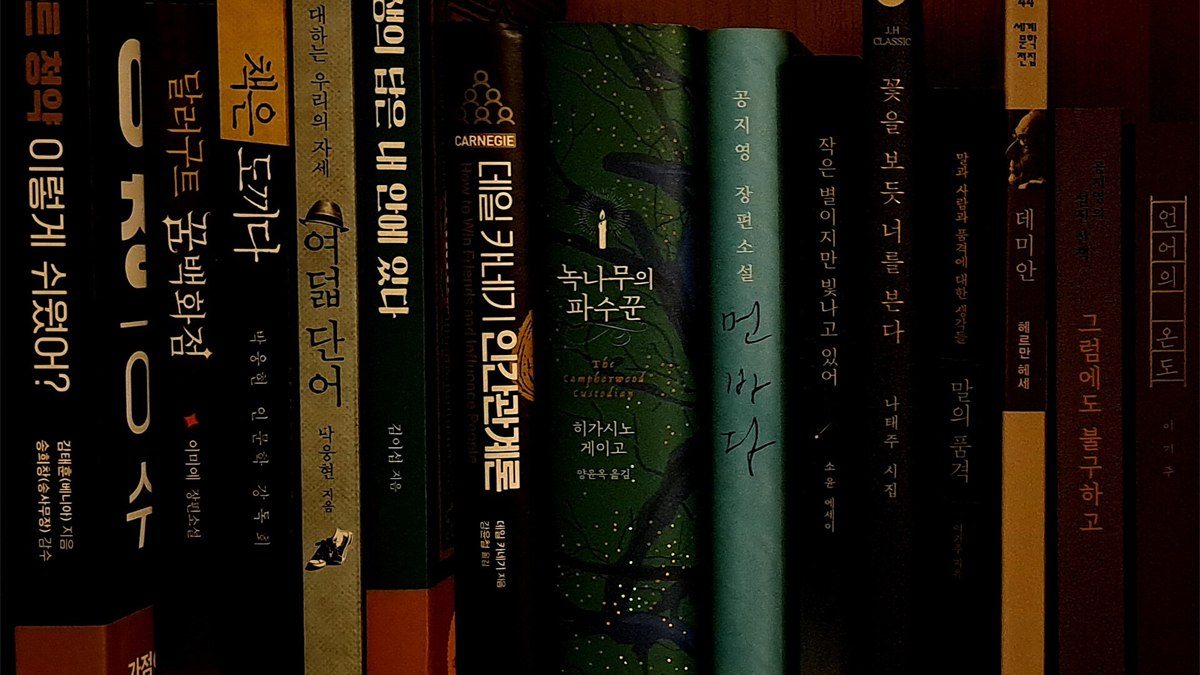
The test is computer-based (CBT) and has a reading section and a listening section. Questions cover everyday Korean, workplace safety and basic Korean culture. HRD Korea sets the minimum score, and passers are ranked by score against the quota, so the higher you score, the better your chance.
Start preparing before the lottery result, not after. HRD Korea's free EPS-TOPIK standard textbook and its listening audio are the best study material. Learn Hangul first; most people can read it in a week. Then aim for 30–50 new words a day and practise listening every day.
2. Skills and competency test
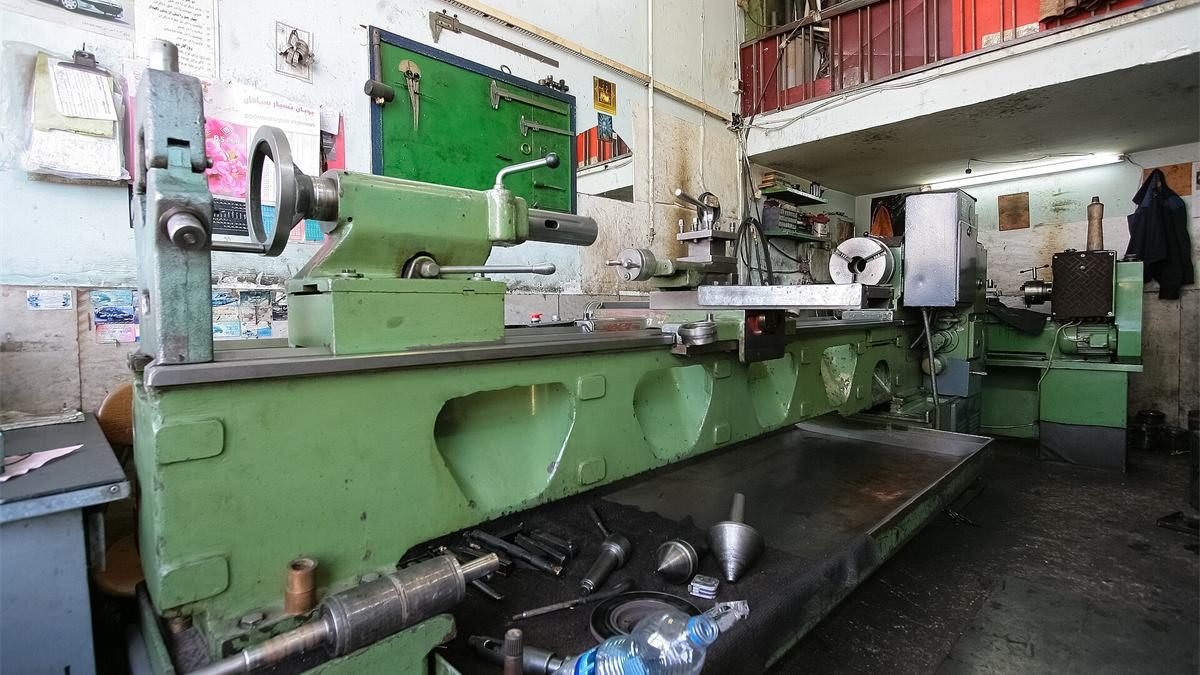
Candidates who pass the language test take a skills test. It may include a fitness check, simple practical tasks (for example, identifying tools or measuring parts) and a short interview. The language and skills scores together decide your final ranking.
3. EPS roster and employer selection
Successful candidates go onto the EPS job-seeker roster. Korean employers choose workers from this roster. Being on the roster is not a guarantee: some people get a job offer within months, while others wait until the roster validity ends. A clean profile and a good score help.
4. Contract, visa and departure
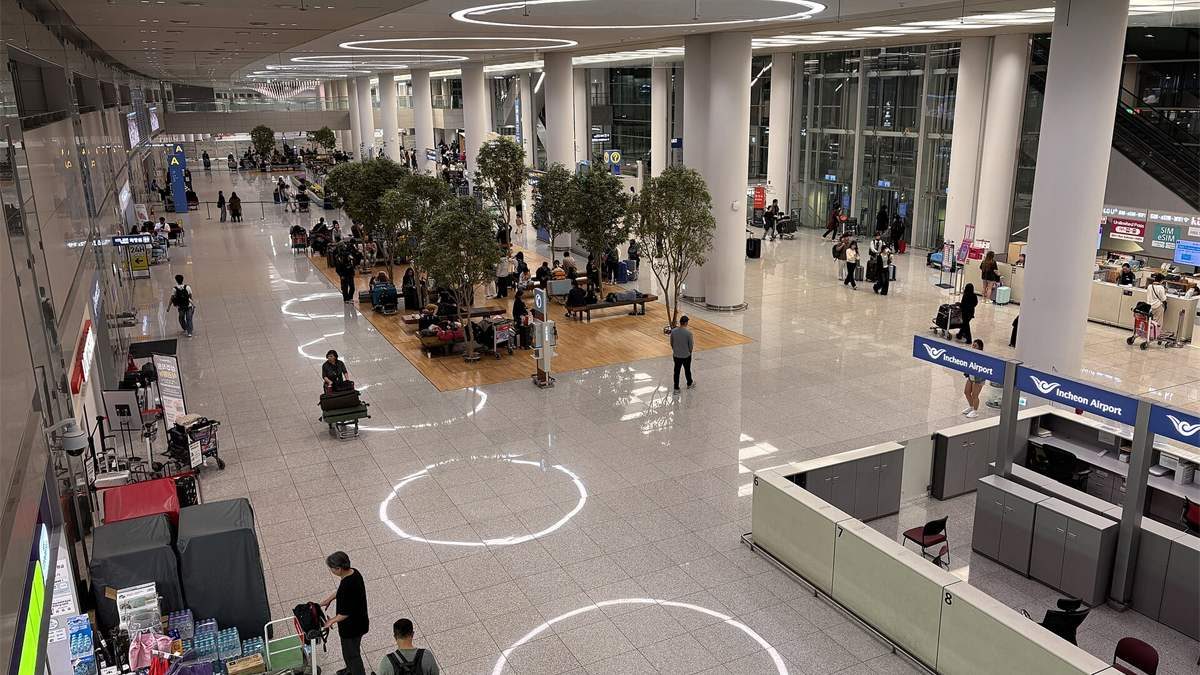
Once an employer selects you, you sign a standard labour contract, receive a Certificate for Confirmation of Visa Issuance, complete a medical test and pre-departure training, and fly out with BOESL's help. On arrival at Incheon, workers attend a short employment training before joining the workplace.
Salary and benefits for EPS workers in Korea
EPS workers are protected by Korean labour law and are paid at least the Korean minimum wage. For 2026, that is KRW 10,320 per hour, or about KRW 2.15 million a month for a standard 40-hour week (roughly BDT 1.8–1.9 lakh, depending on the exchange rate). Overtime, night and holiday work are paid extra, so many factory workers earn more.
Workers also get health insurance, industrial accident cover, and in many cases dormitory accommodation. The E-9 visa allows you to stay up to 4 years and 10 months. Workers who stay with the same employer and follow the rules may qualify for re-entry for another term.
Common Korea lottery scams to avoid
- "Guaranteed lottery" offers: the draw is computerised. Nobody can add your name for money.
- Fake websites and apps: use only boesl.gov.bd, eps.boesl.gov.bd and the official BOESL app.
- Facebook "result" posts: many pages share old PDFs or edited lists. Download the result only from BOESL.
- Private "Korea visa" agencies: EPS has no private agency route in Bangladesh. Any agency claiming otherwise is lying.
- Paid coaching "with confirmed job": coaching can help you learn Korean, but no centre can promise selection.
Korea lottery vs. other ways to work in Korea
The EPS route is the cheapest and safest for most people. Other options exist: the E-8 seasonal worker programme (short-term farm work arranged through local governments), skilled-worker visas for people with degrees and experience, and student visas. Each has different rules, and none of them goes through the BOESL lottery.
Frequently asked questions
When is the next Korea lottery in 2026?
The 2026 special and regular rounds have already taken place, with tests running until late November 2026. The date of the next lottery or registration window has not been announced. BOESL usually publishes the circular a few days to two weeks before registration opens.
What is the official Korea lottery website?
The official websites are boesl.gov.bd for notices and eps.boesl.gov.bd for EPS registration. BOESL also has an official Android app. Do not use any other site to register or pay.
What is the age limit for the Korea lottery?
Applicants must be between 18 and 39 years old on the date given in the circular.
Does winning the Korea lottery mean I will get a Korean visa?
No. The lottery only gives you a seat in the EPS-TOPIK test. You still need to pass the language and skills tests, get onto the roster, and be chosen by a Korean employer before a visa is issued.
How do I check my BOESL lottery result?
Download the result PDF from the notice section of boesl.gov.bd or eps.boesl.gov.bd, then search for your passport number or registration number in the file.
Can women apply for the Korea lottery?
Yes. EPS is open to both men and women who meet the eligibility conditions.
Is HSC required, or is SSC enough?
SSC or an equivalent pass is the minimum requirement. Higher qualifications are fine but do not give extra marks in the lottery.
Bottom line
The Korea lottery is a genuine government opportunity, not a gamble you pay brokers to win. Keep your passport ready, start learning Korean now, register only on BOESL's official portal when the circular comes out, and treat anyone promising a shortcut as a red flag. Bookmark this page; we will add the next Korea lottery registration date and result link as soon as BOESL publishes them.
Source: BOESL notices, HRD Korea EPS-TOPIK schedule, and Korea's 2026 foreign worker quota announcement. Always confirm dates and fees in the latest official circular.



Comments
0 comments on this post.